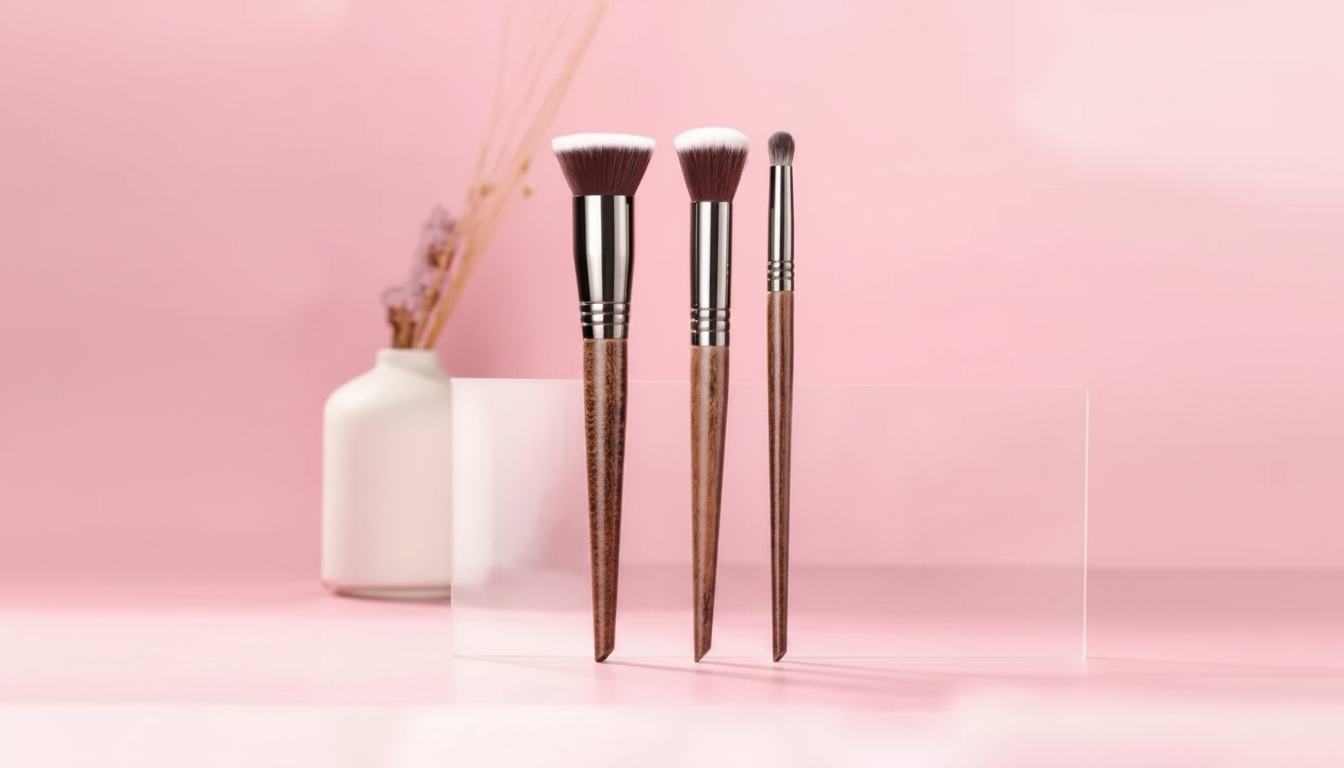
A small brush kit can cover the essentials for a polished base and soft definition—without crowding a vanity or makeup bag. A streamlined trio is especially handy for quick daily routines, touch-ups, and travel-friendly organization, with versatile shapes that work across liquids, creams, and powders when paired with the right technique. For more guidance, see 4 Best Makeup Brushes of 2026, Tested by Experts.
If you’re rebuilding your tools (or simplifying them), the 3-Piece Makeup Brushes Set is an easy place to start: fewer pieces, less clutter, and a routine that’s simple to repeat. For further reading, see Classic Style Makeup Brushes Set With 14 Pieces ….
The biggest benefit of a small set is repeatability. Using the same brush shapes day after day helps you learn exactly how much product you need and how much pressure creates the finish you like—without switching tools mid-step and overworking the base.
Most everyday looks come down to three jobs: blend the base, place coverage where needed, and diffuse powder or color so everything looks seamless.
| Brush task | Best for | Works with | Technique cue |
|---|---|---|---|
| Base blending | Foundation/skin tint | Liquid, cream | Buff in small circles; finish with gentle strokes |
| Targeted coverage | Concealer/spot correction | Liquid, cream | Tap and press; avoid dragging over texture |
| Setting and soft blending | Powder, bronzer, blush | Pressed/loose powder | Light sweep; build gradually |
This routine is designed to look polished in natural light while staying quick enough for busy mornings.
When time is tight, focus on the zones that show makeup “movement” first: around the nostrils, under the eyes, and the center of the forehead. A light set there often looks more natural than powdering the entire face.
Brush performance is closely tied to cleanliness. Old product and oil can cause patchiness, odd texture, and stubborn streaks, and dirty tools can irritate skin. The American Academy of Dermatology Association has practical guidance on cleaning and hygiene habits for tools used on the face (AAD: How to clean makeup brushes).
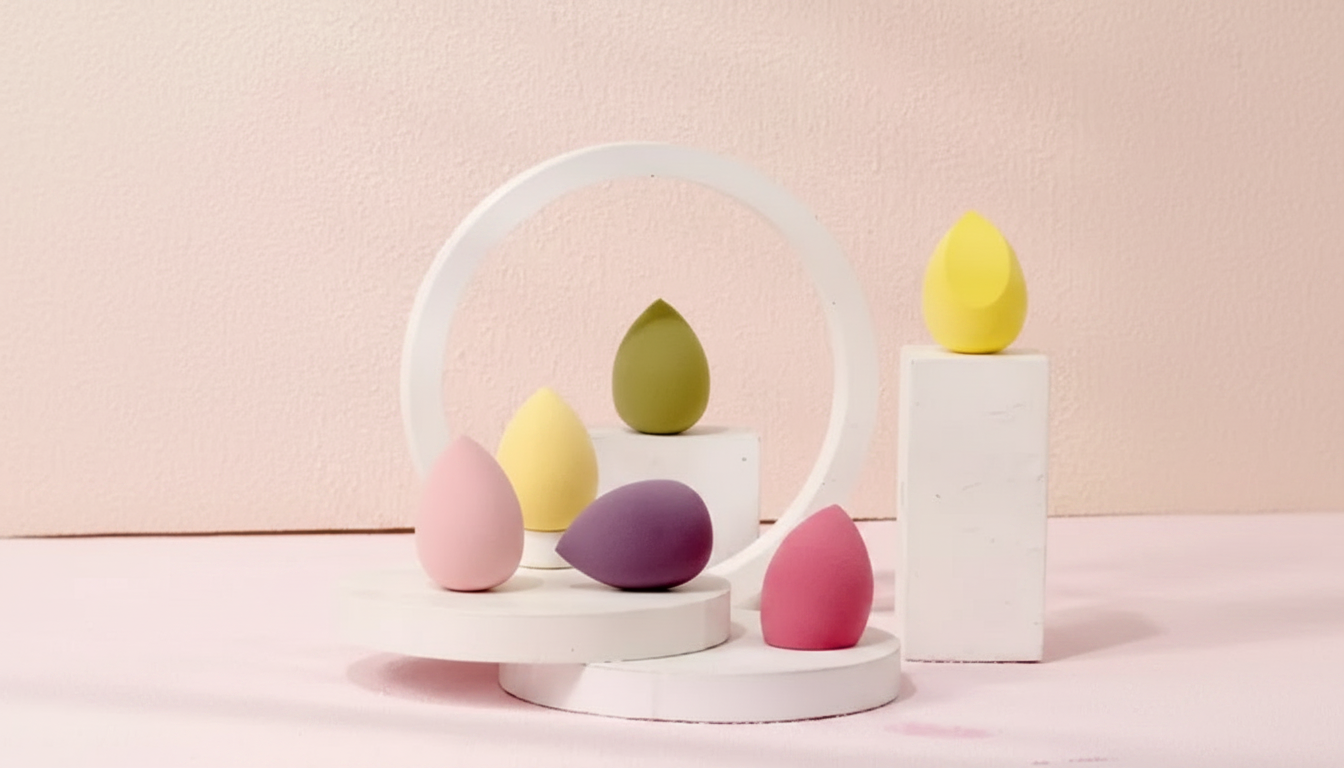
If you like that “melted-in” finish, pairing a brush routine with a sponge can be the best of both worlds. The 4-Piece Makeup Sponge Set Cosmetic Beauty Egg Blending Puff for Foundation is a convenient add-on for finishing passes, especially around the nose and under-eye area.
Wash complexion brushes about once a week, and more often if you’re acne-prone or using heavy creams daily. Between uses, wipe brushes on a clean tissue or microfiber cloth, and always dry them flat to help protect the ferrule and keep bristles in shape.
Yes—many brush shapes are versatile across formulas when you adjust technique: tap or buff for liquids/creams and sweep lightly for powders. Clean brushes regularly (and especially when switching between cream and powder heavy use) to prevent buildup that can cause skipping.
Use less product than you think, apply in thin layers, and buff in short motions with light pressure. Finish with gentle strokes to smooth the surface, and let skincare fully absorb before applying base makeup to reduce slipping and streaking.









Leave a comment